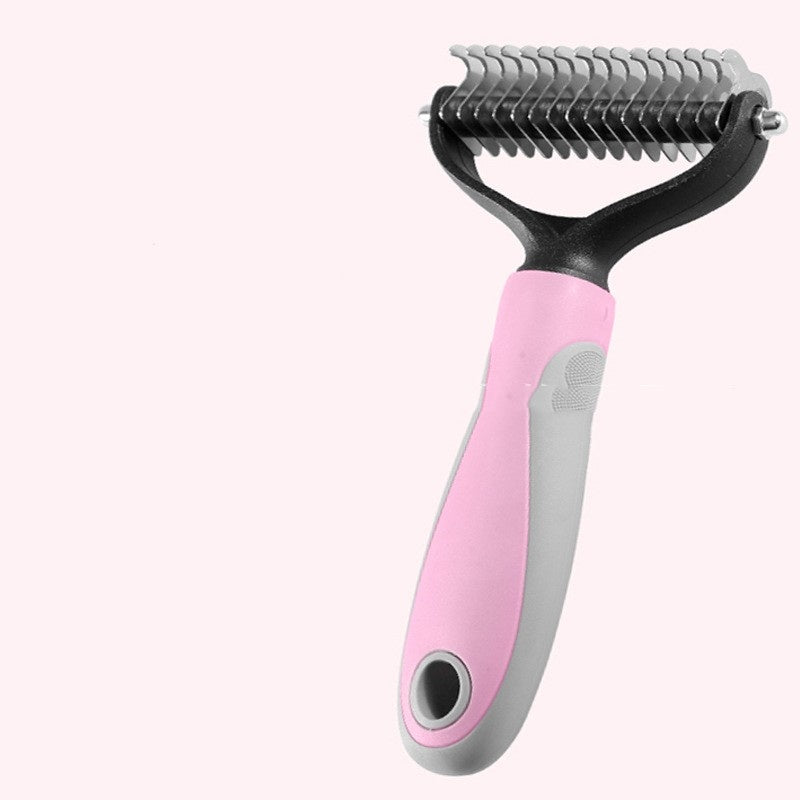
Love it definitely helps with the fur babies
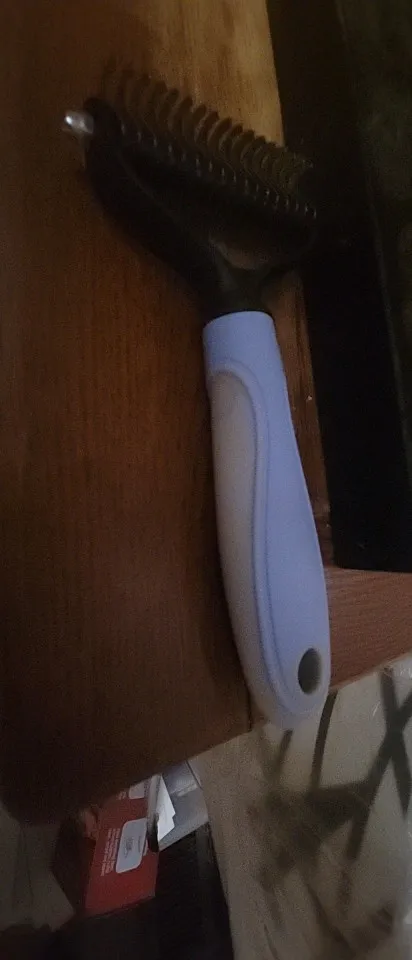
Seeing these retail at over £20 i had to try it. and the results are worth the wait for delivery! make sure to follow instructions online on how to use these because you can get bald spots if you don’t know what you’re doing. my cat is happier now!
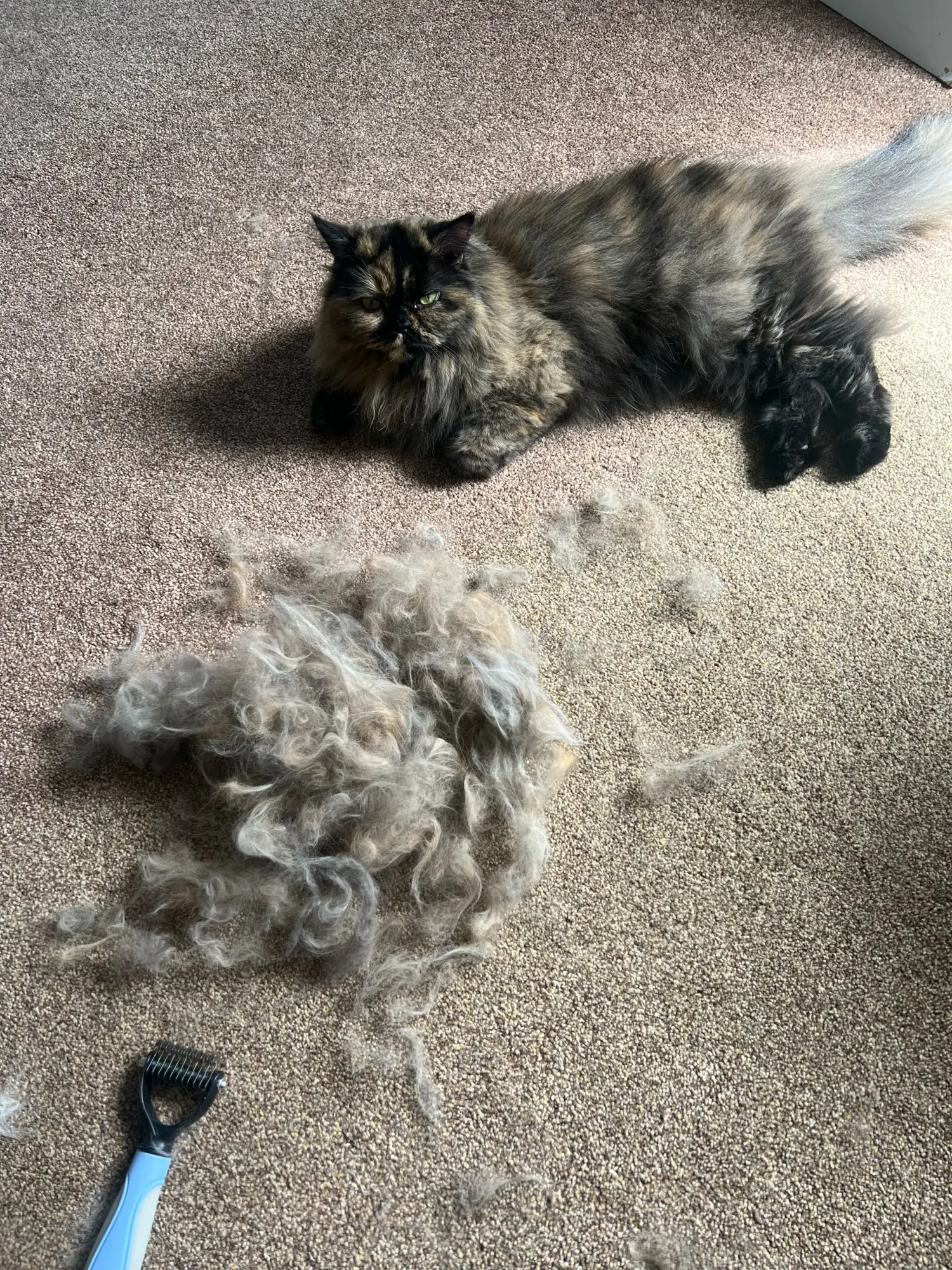
I really liked it, very useful and practical. It removes hair well and has two sides with different sizes to make it easier to groom your pet. Highly recommended.
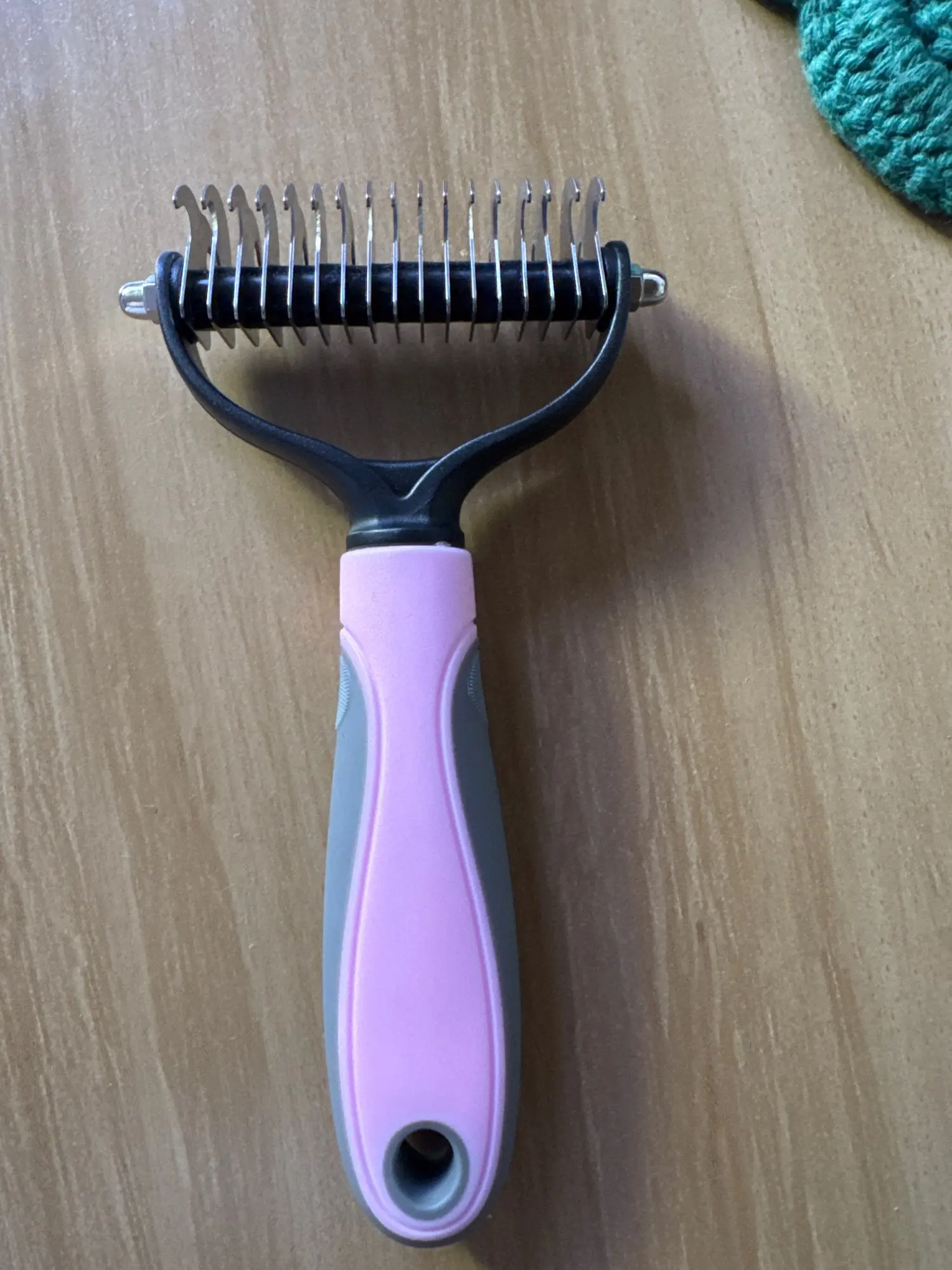
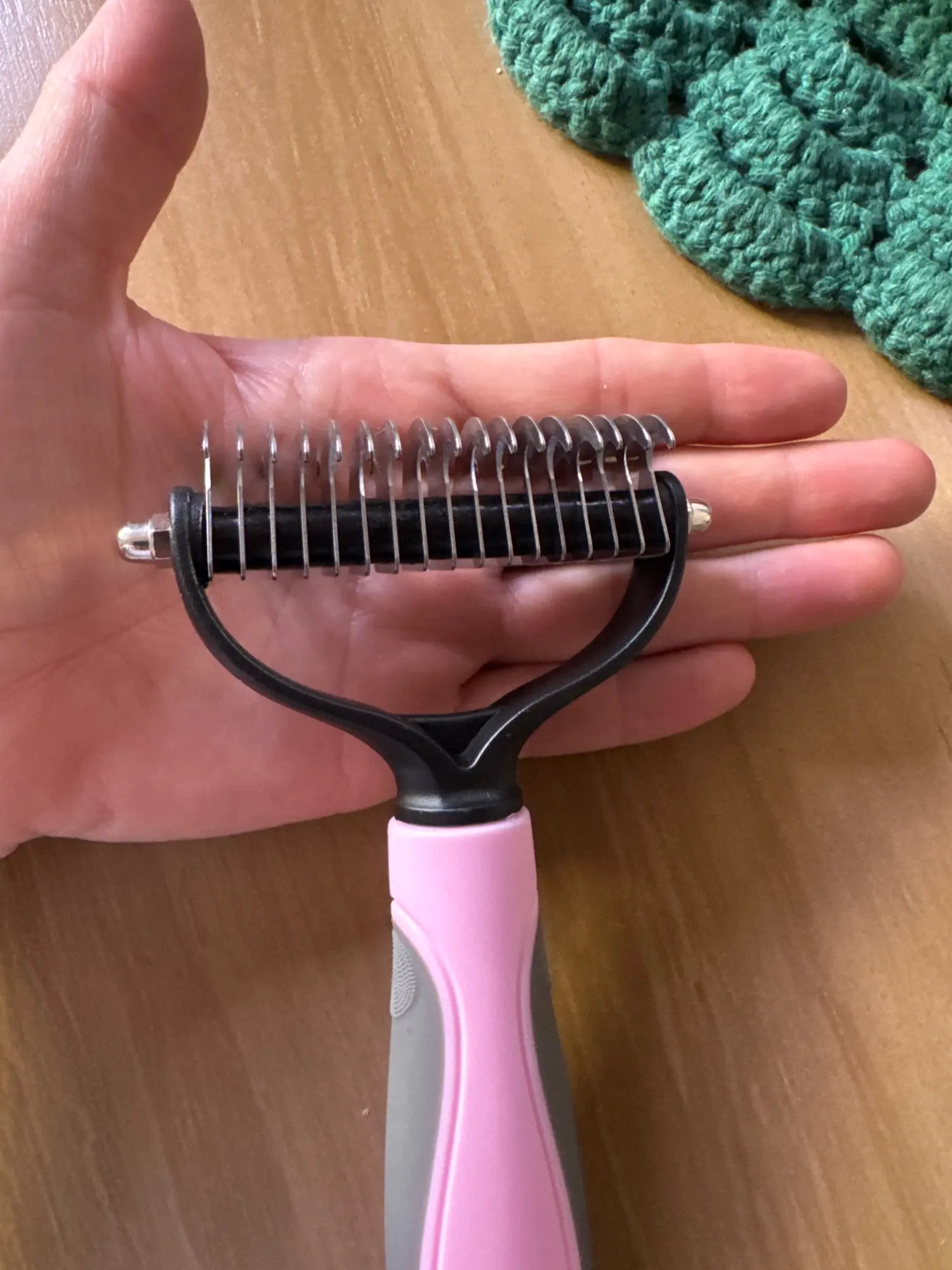
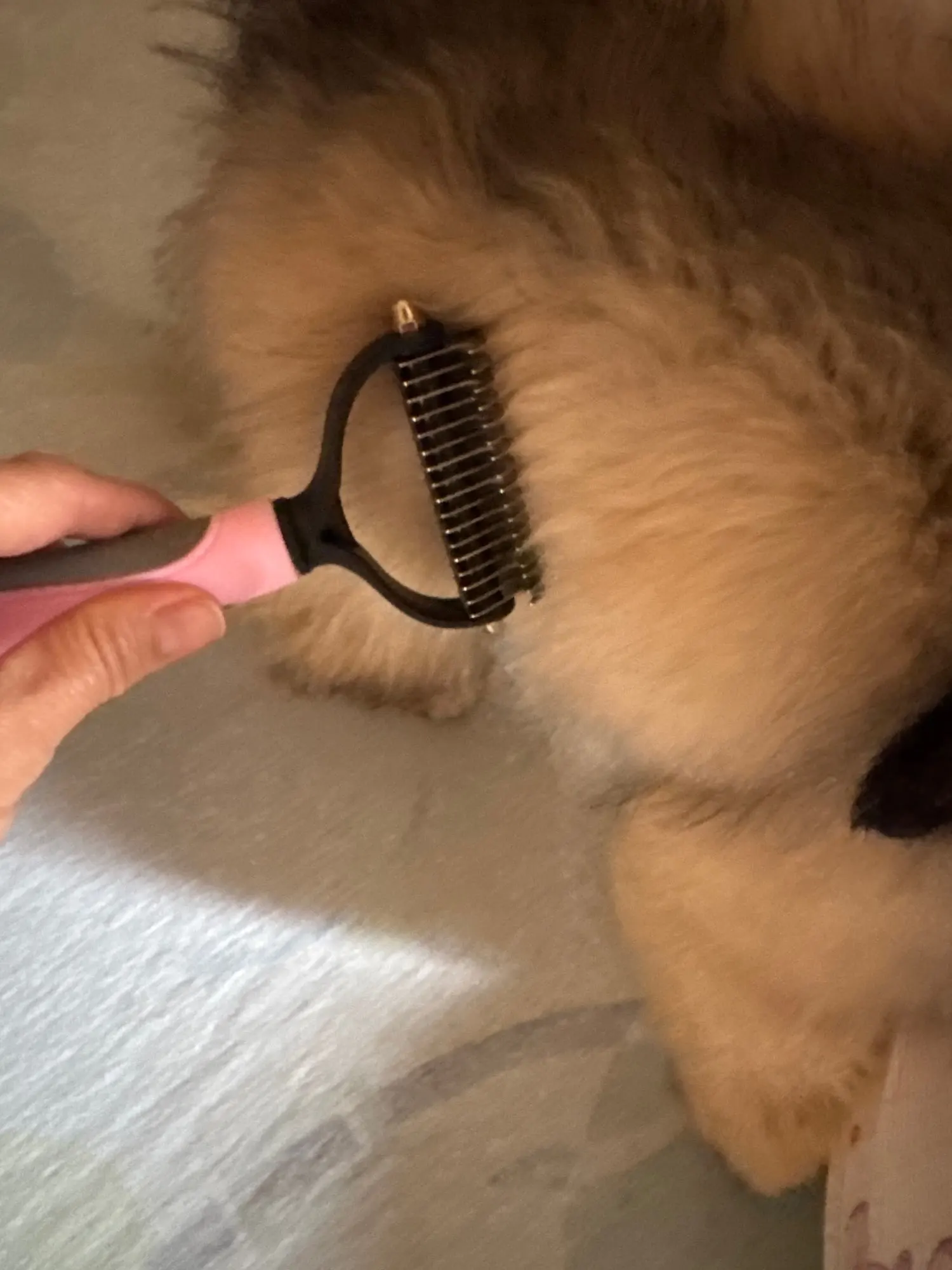
Cats love it cant get enoùgh
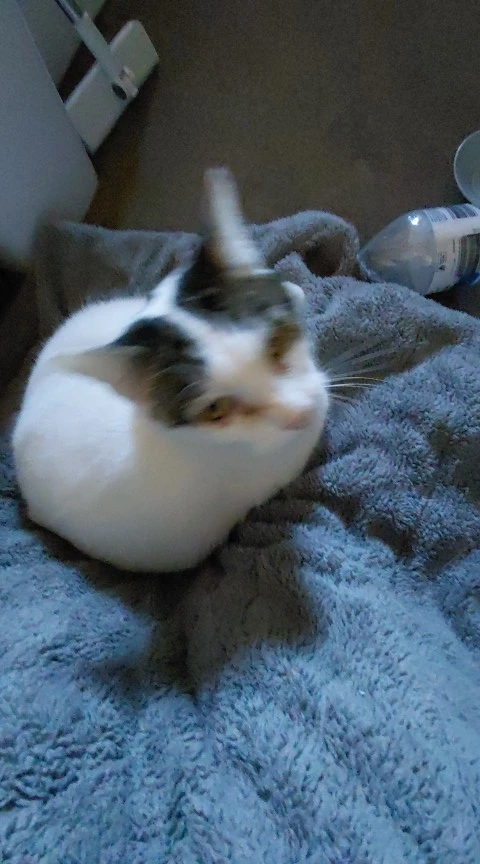
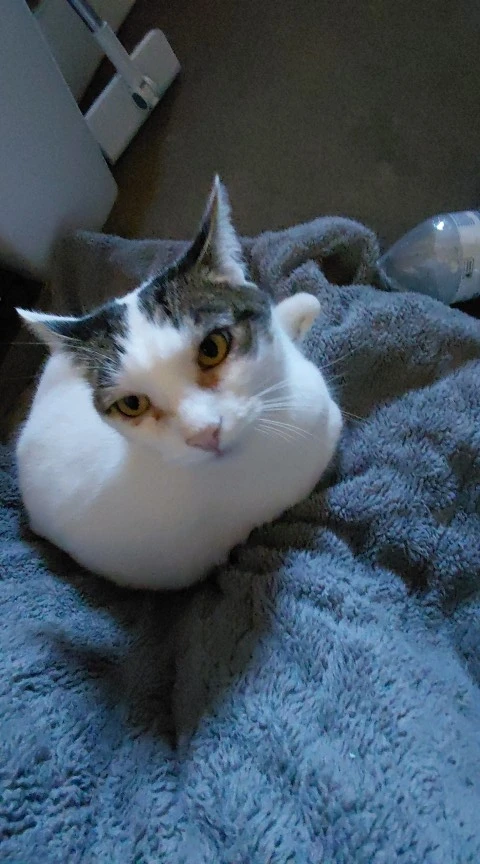
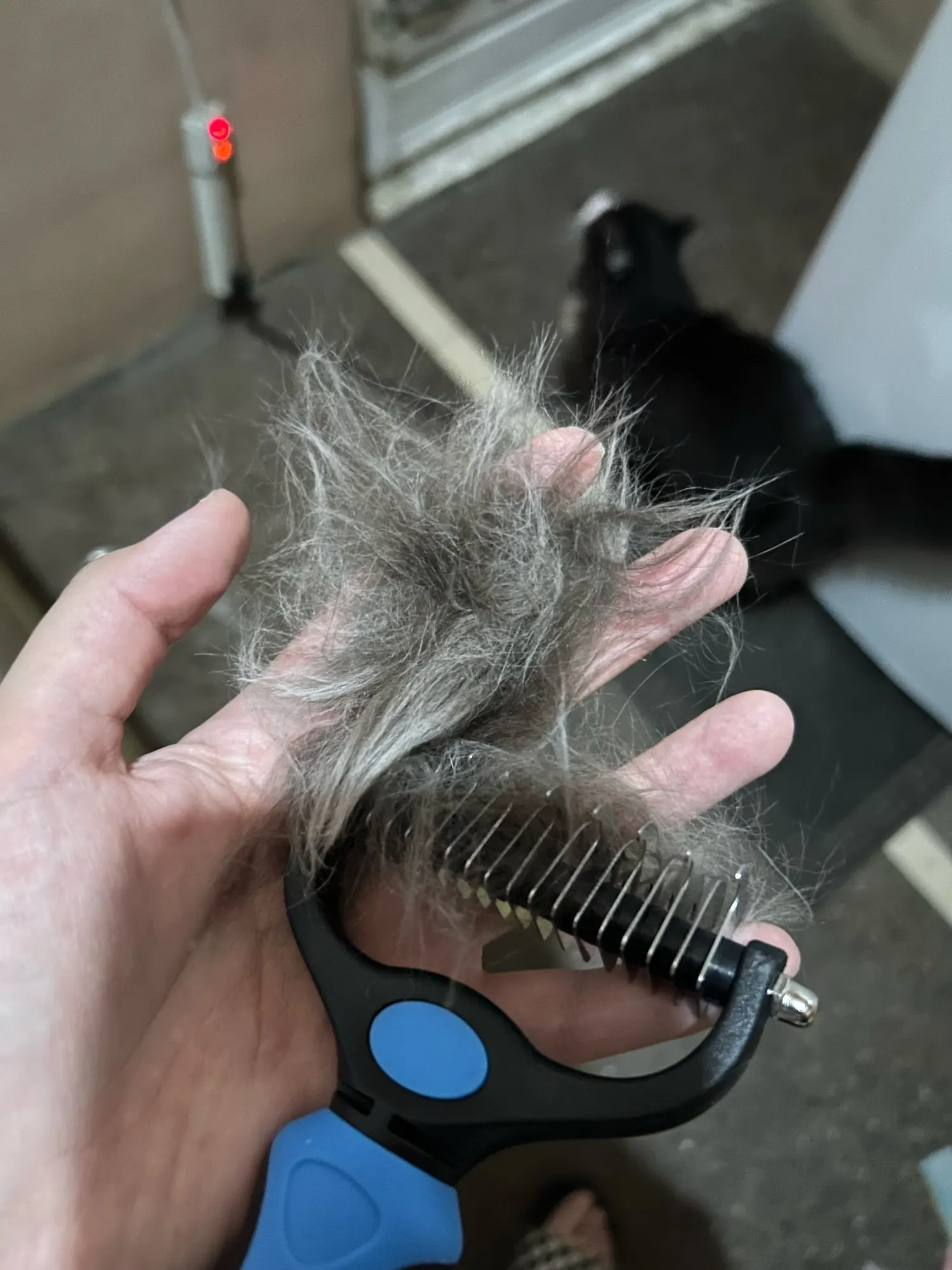
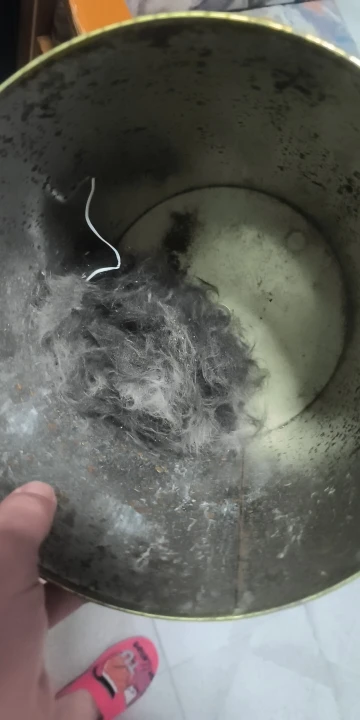
This is one of the best purchase on ali express ever! with my cat, this is the only brush that actually works. it took me not even one minute to remove all of this
Works as expected. Good quality.
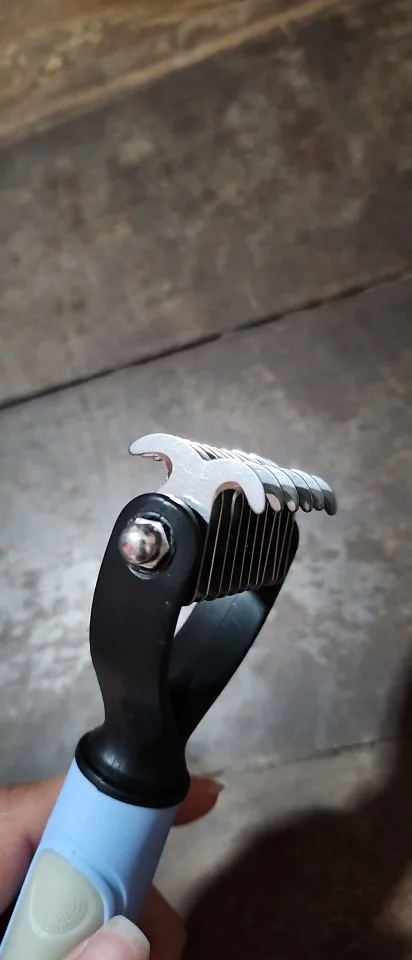
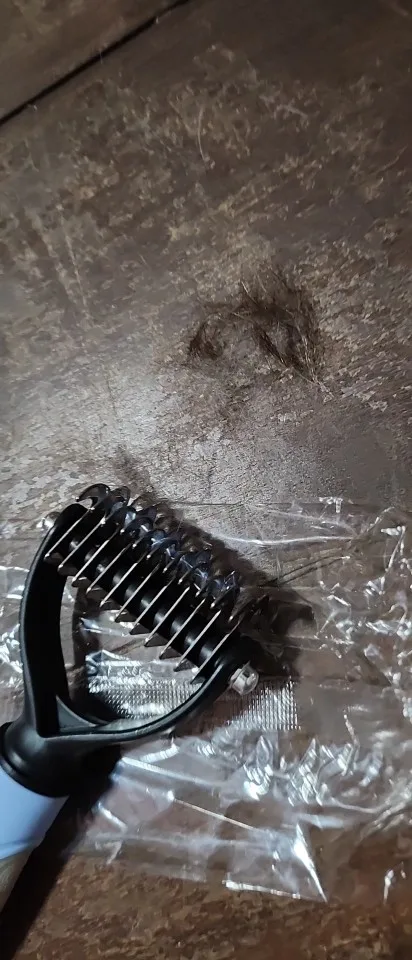
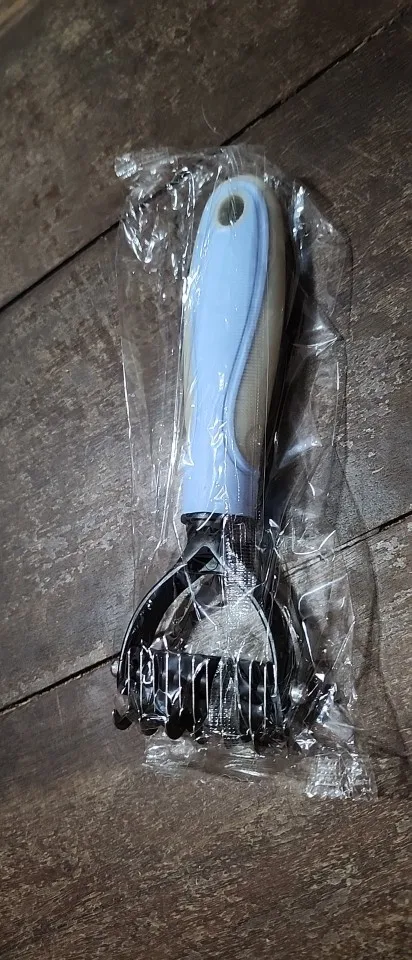
Good product, it fulfills its function, it is not harsh on the cat's fur and removes loose hair quite well. My cat is very furry, and it works perfectly without pulling.


I already had another one that cost me more than 3 times as much as this one. It's great for removing dead hair from pets while also brushing them. Size L is ideal for dogs.
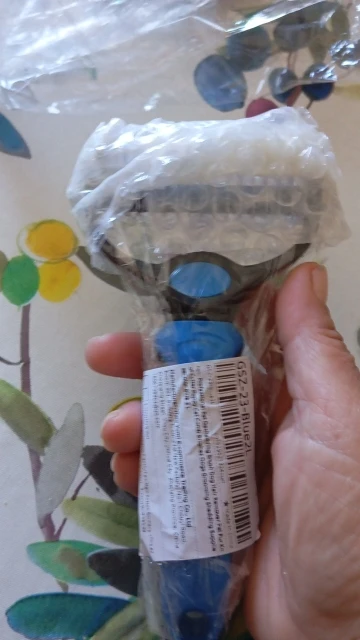
The brush delivers on its promise, removing the most difficult hairs, and the glove removes the smaller ones!!
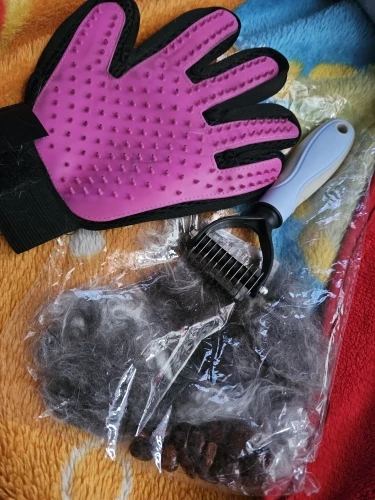
I haven't tried it yet, but it looks good and seems to be exactly as advertised.
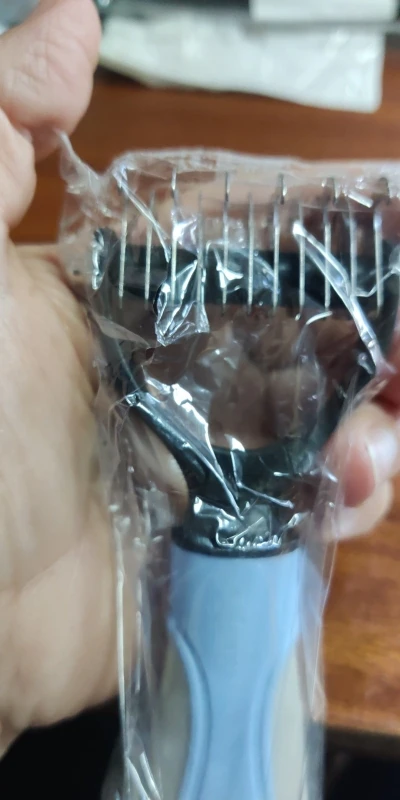
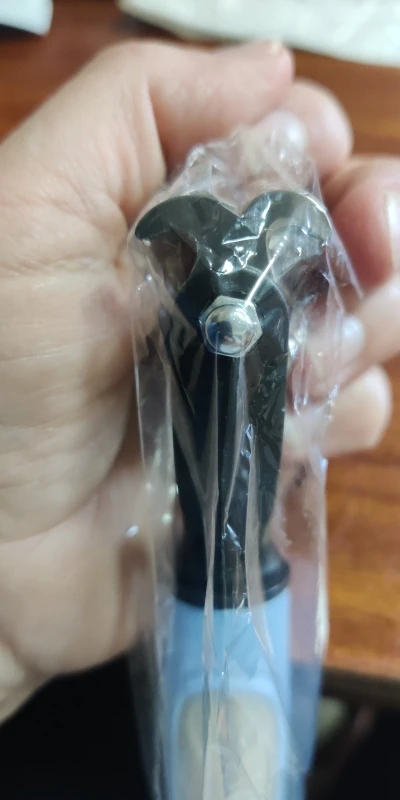
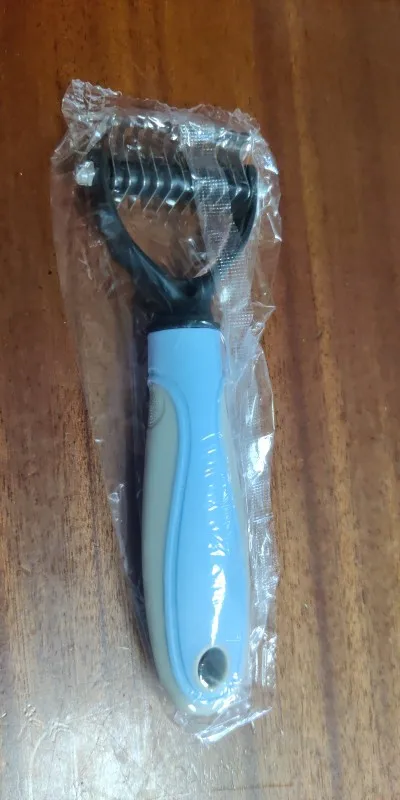
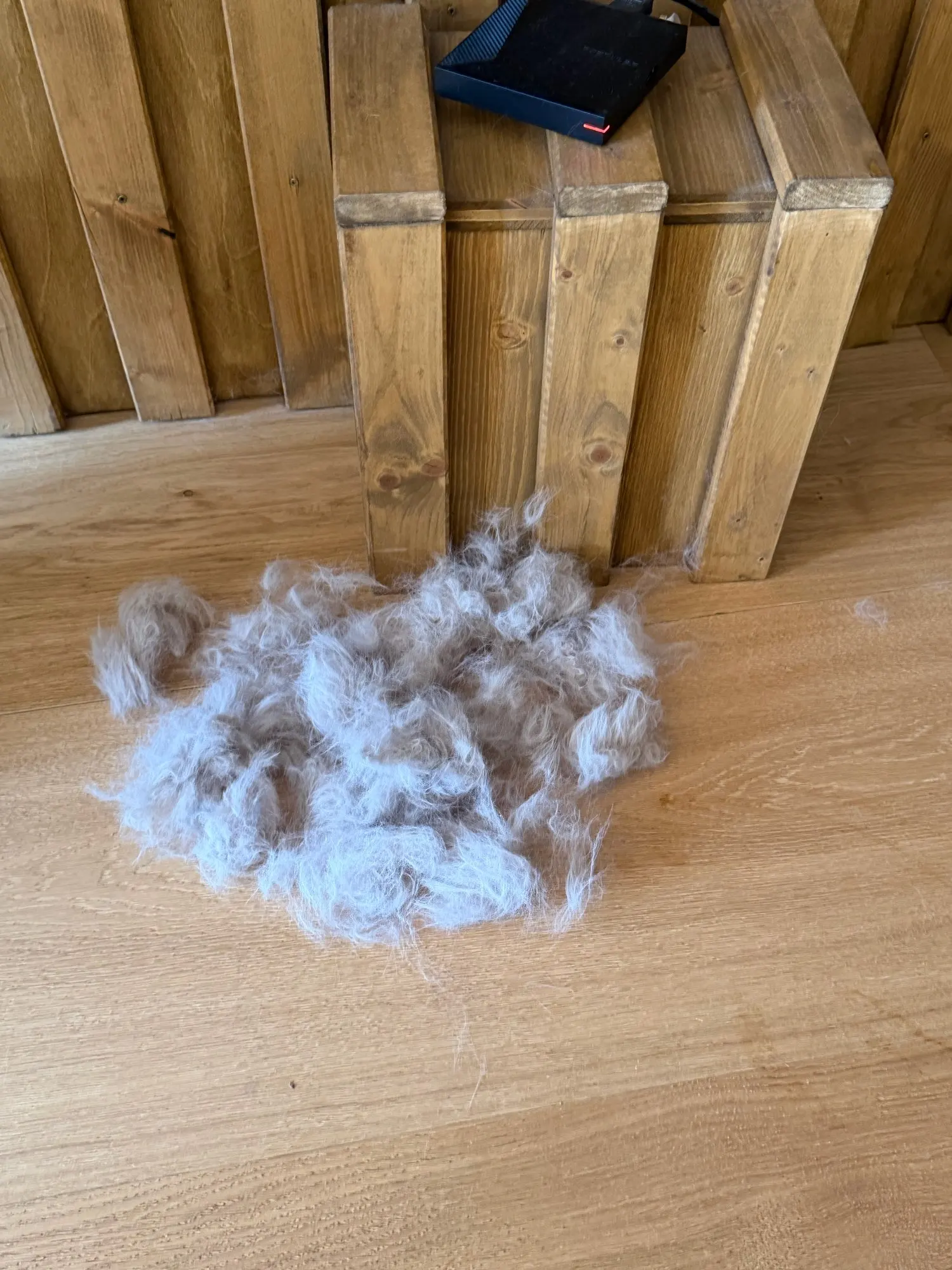
This gadget is AMAZING and my kitten loves it when I scratch him while I groom him. I removed millions of hairs from my body. It's incredible for the 0.99 cm that I paid for. here is the sample of hair THANK YOU, SELLERS
It's terrible, it pulls the hair and my dog doesn't even want to look at it.
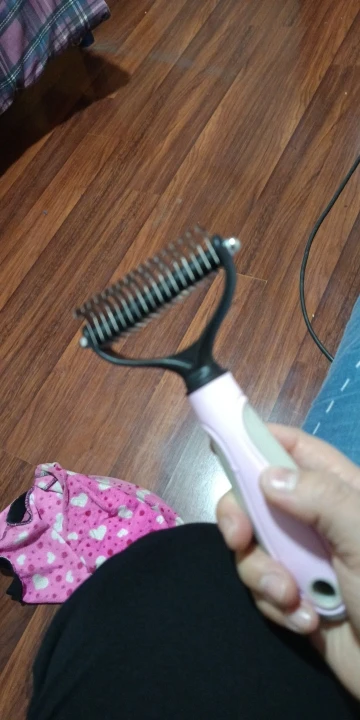
perfect, it has stayed comfortable
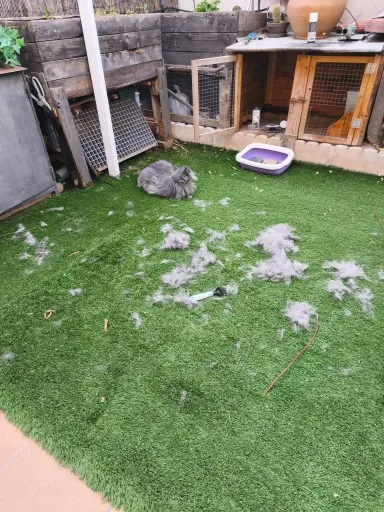
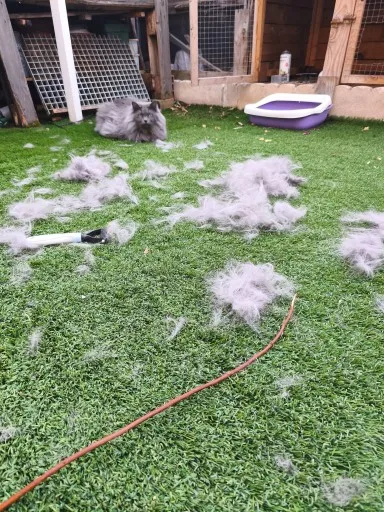
So far it's brilliant going to try it on my dad's collie and see if it's as good as it was on my jack russell
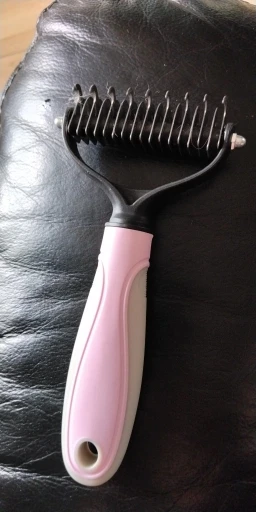
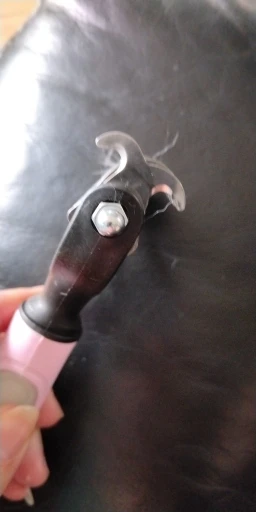
Ukraine, Zaporizhia, delivered in 2 weeks, the comb is very nice. I have a spaniel and a mixed breed, and it removes undercoat better than a brush. I recommend the store and the product.
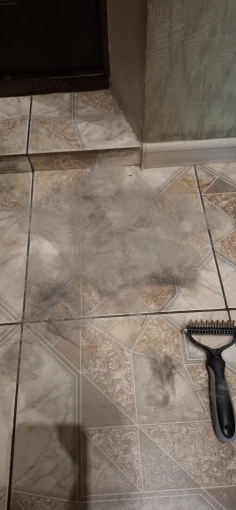
I have a lovely great pyrenees dog and i had normal combs but this product is really amazing with all the thick, double coat that he has. i am really happy for the purchase, maybe i should but another one bigger size.
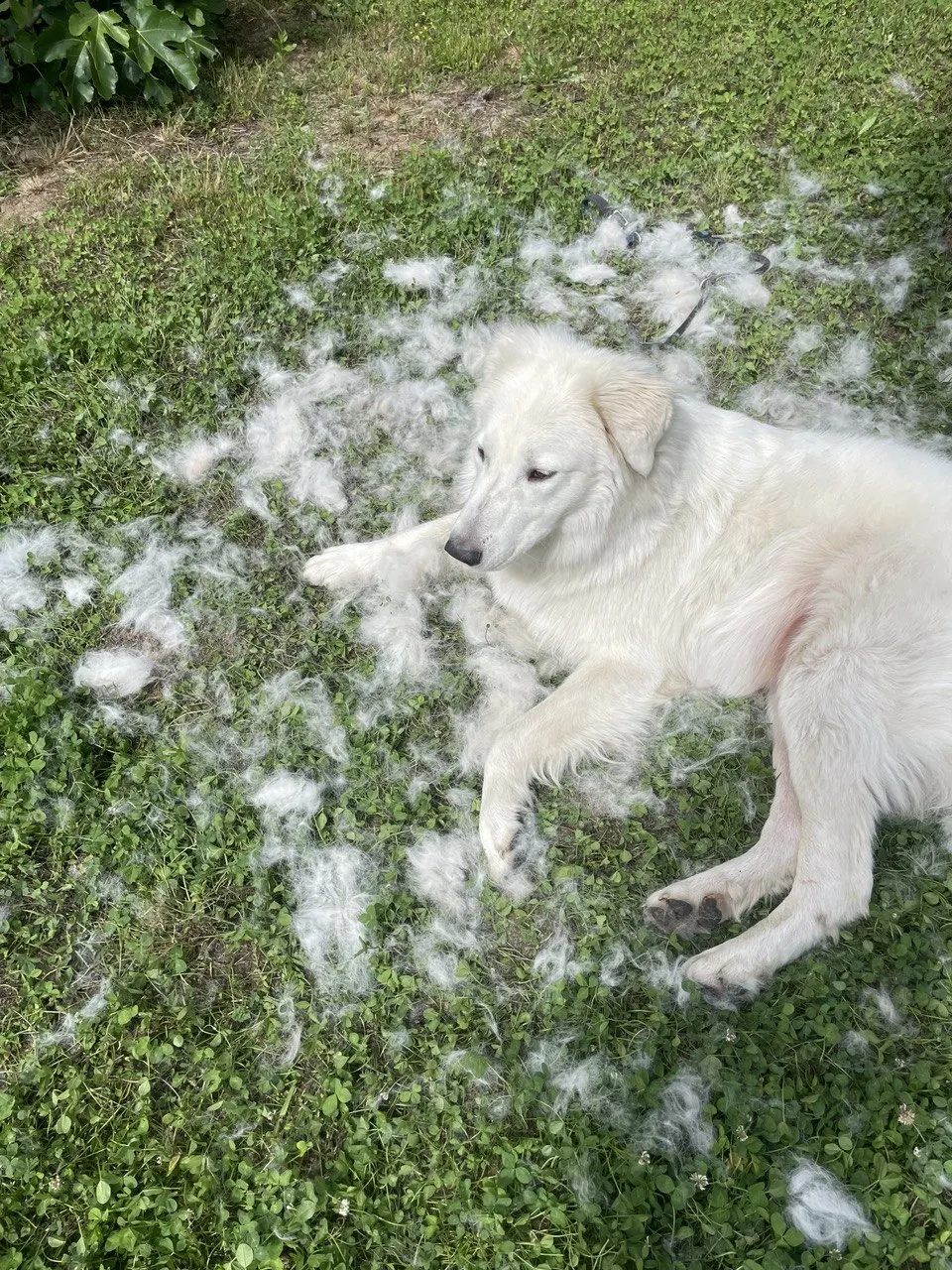
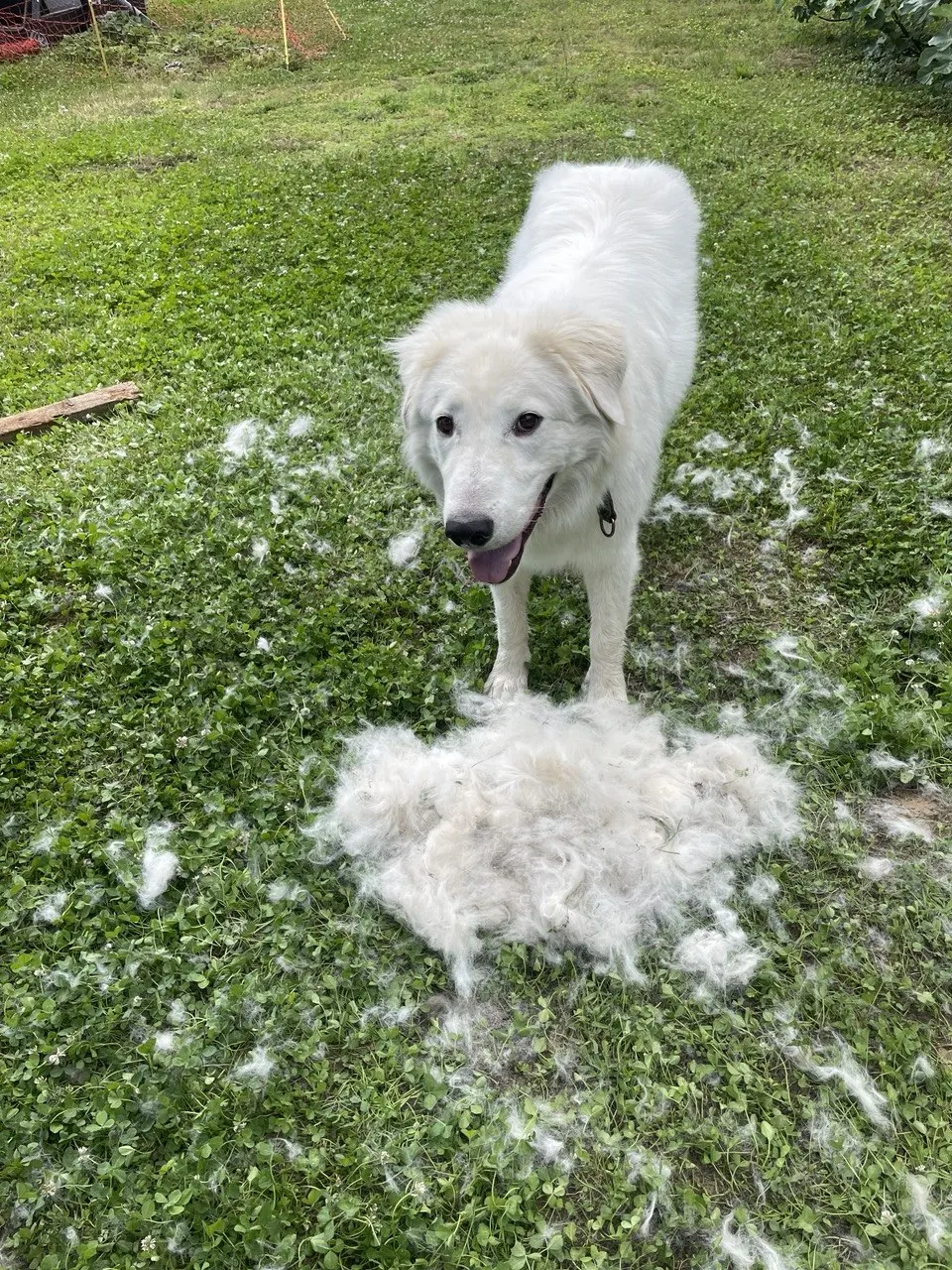
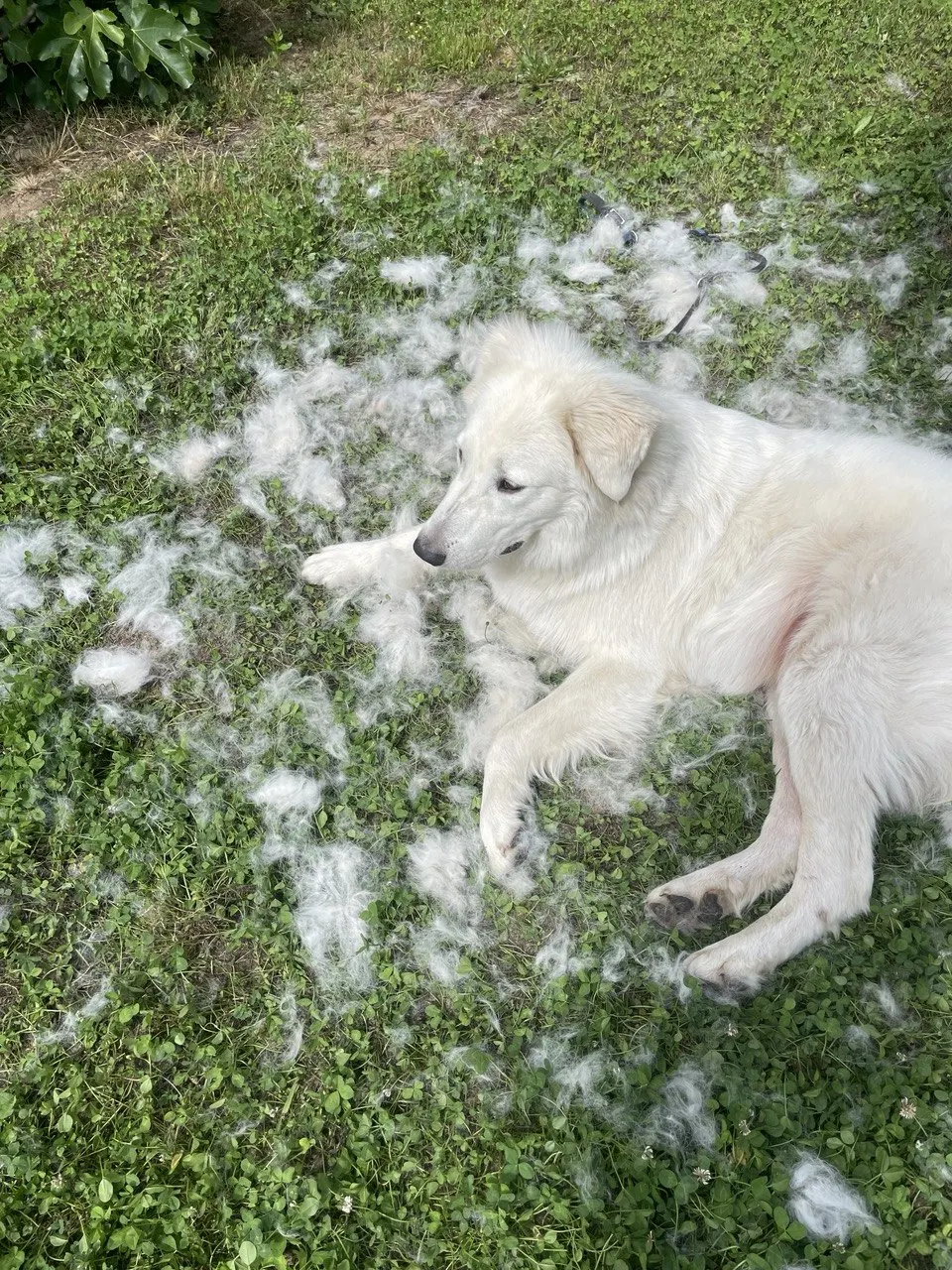
Excellent brush, immediately combed the little one and it was very gentle, removed a lot of hair, it's wonderful.
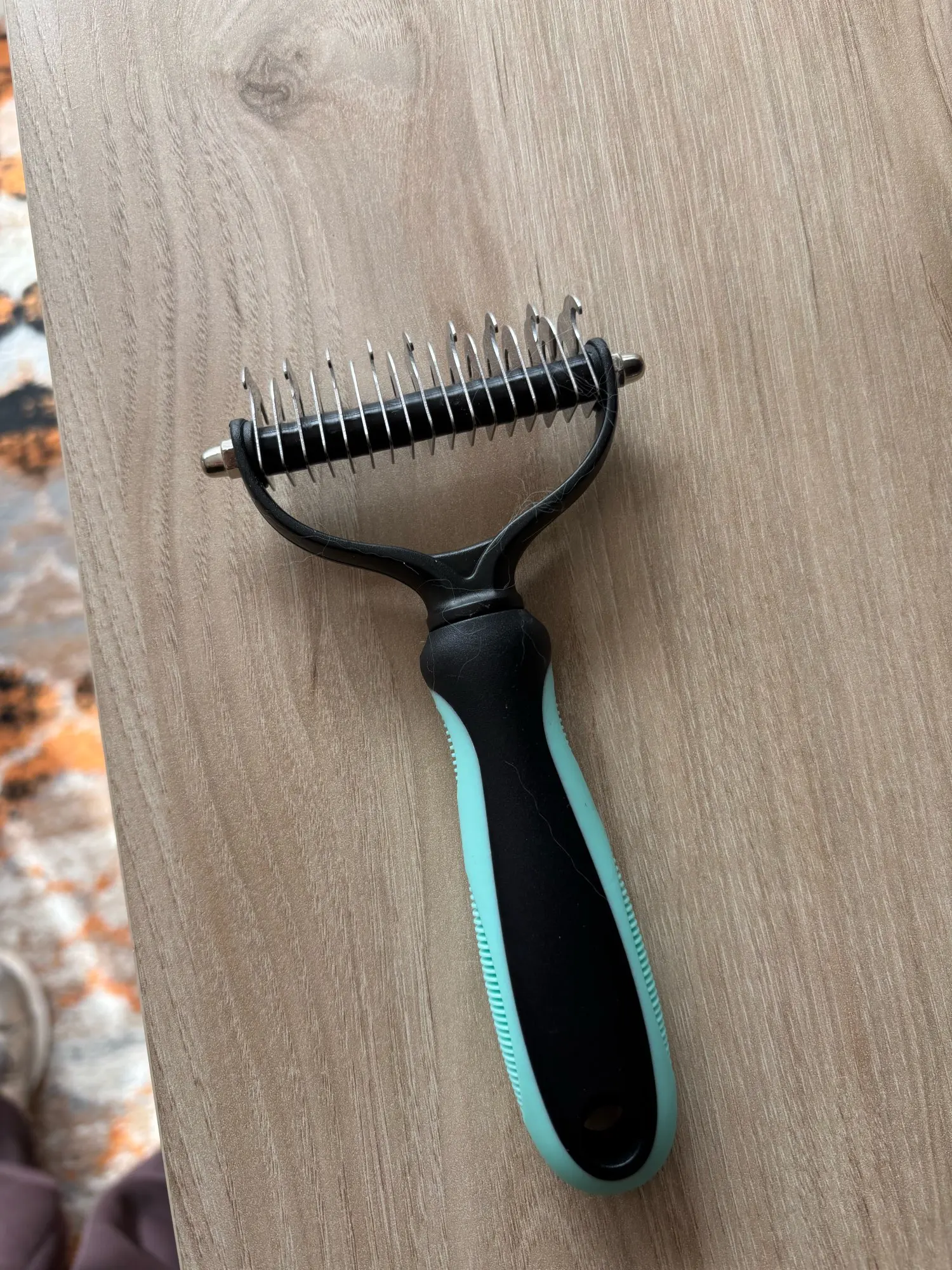
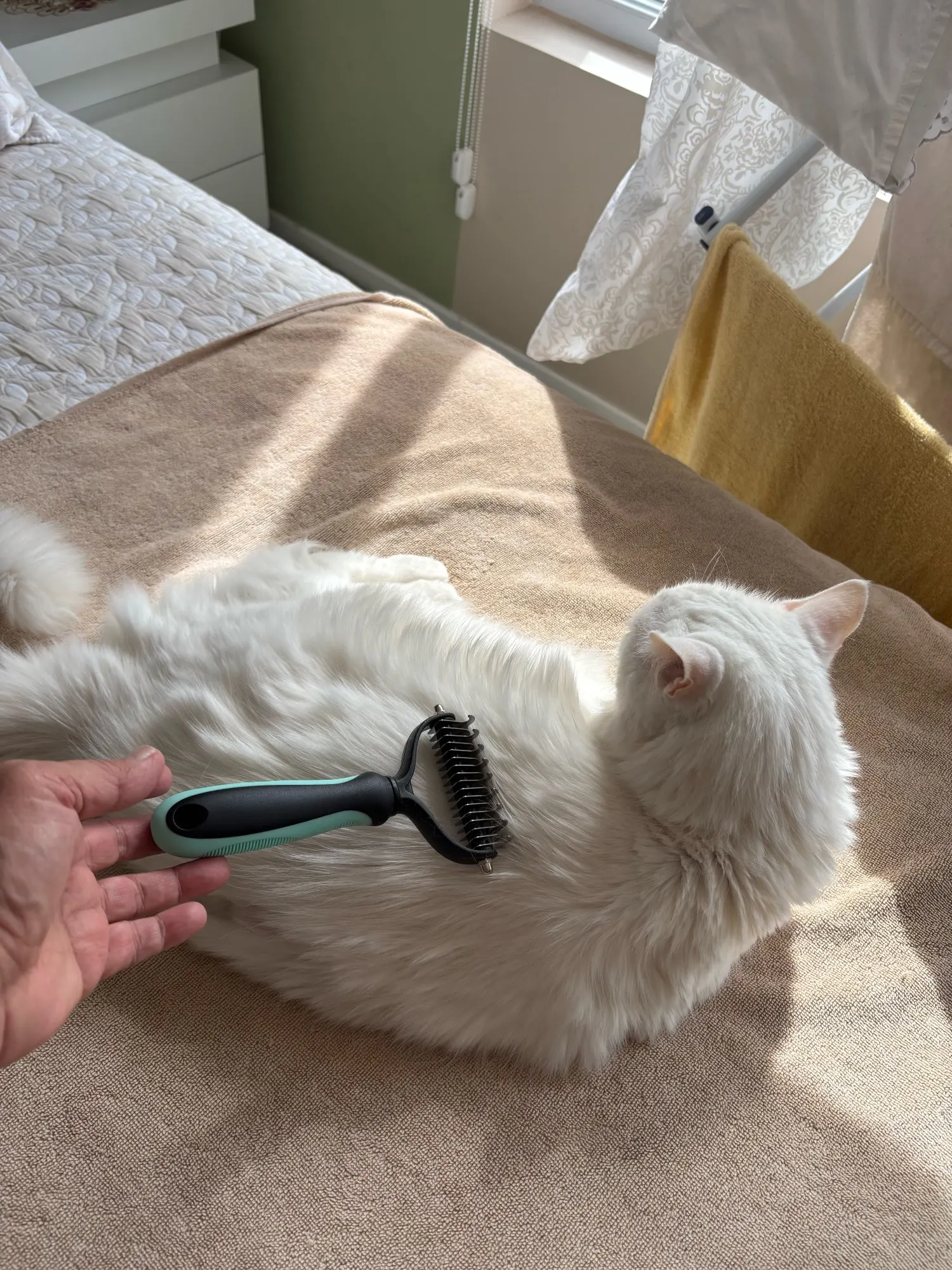
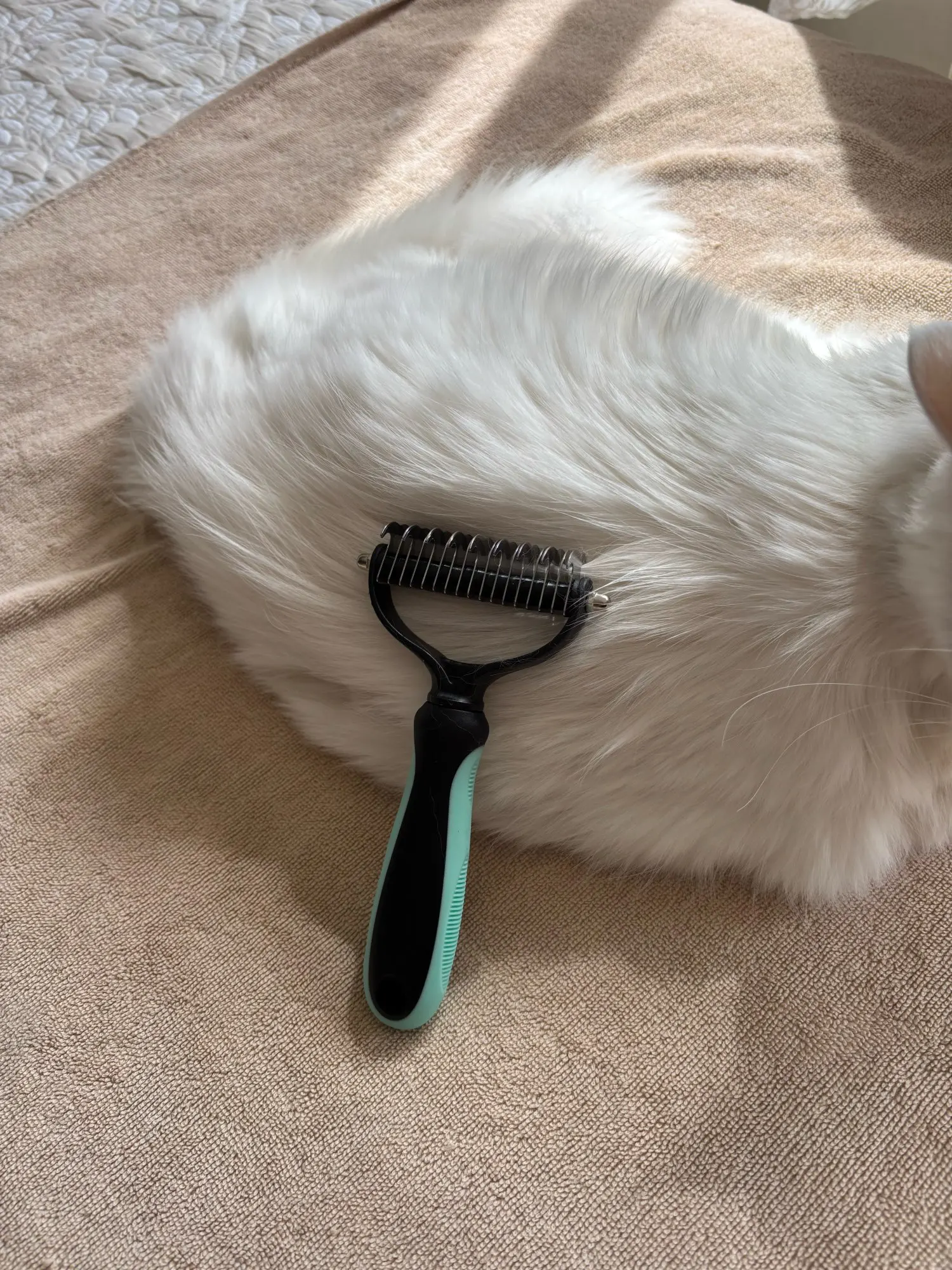
Works good
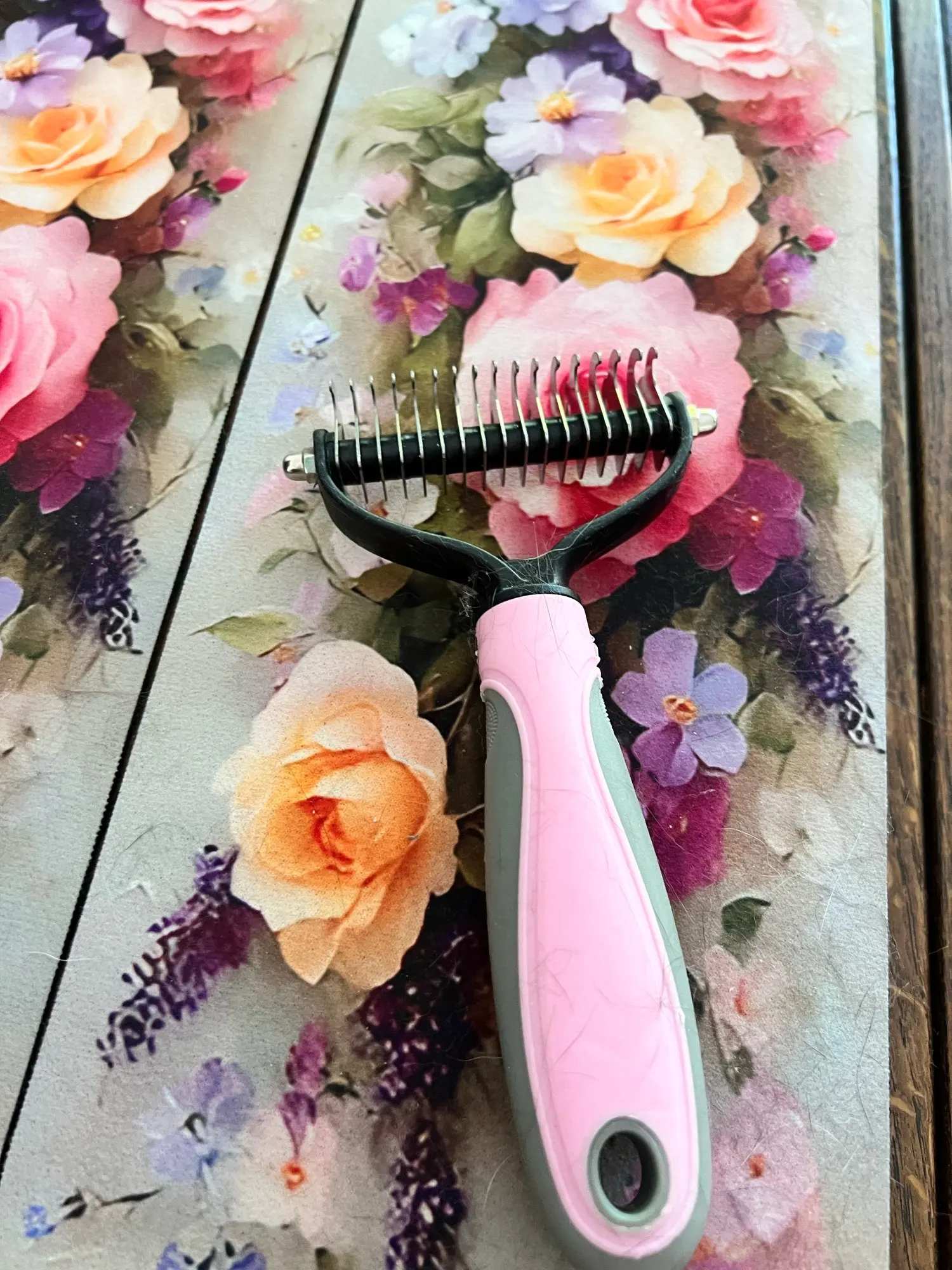
Product of very good quality and good condition
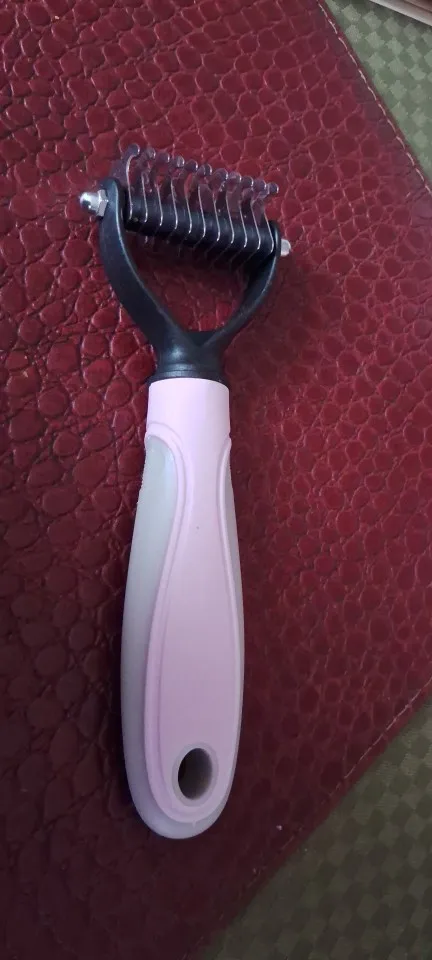
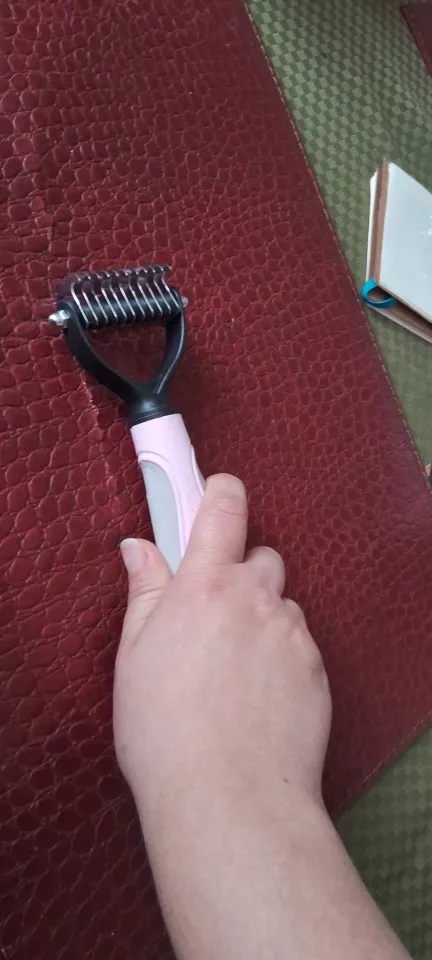
Love it., really helps
Thank you, seller.
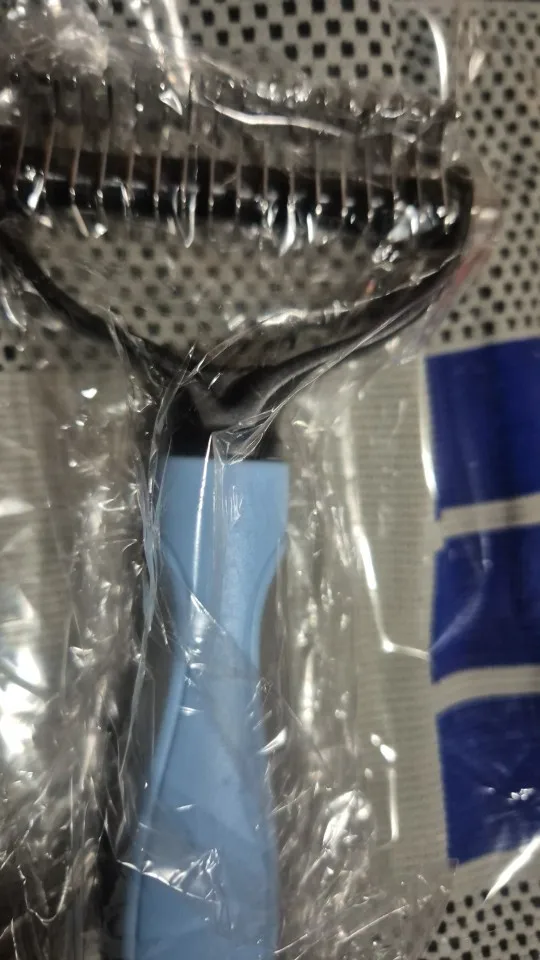
Good brush. While brushing, cut off the bottom hairs. Easy to use.
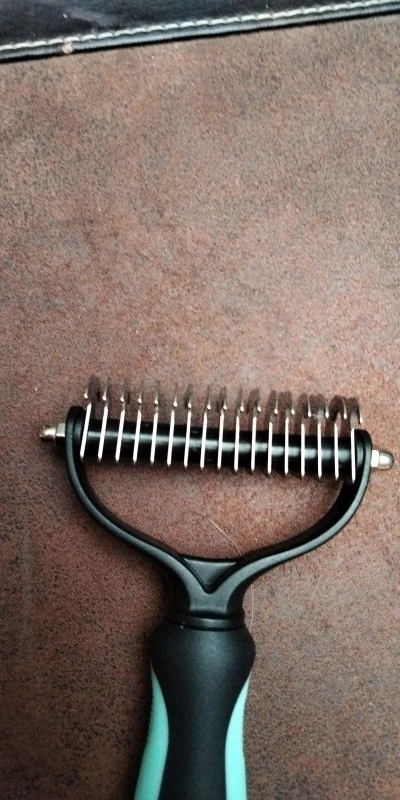
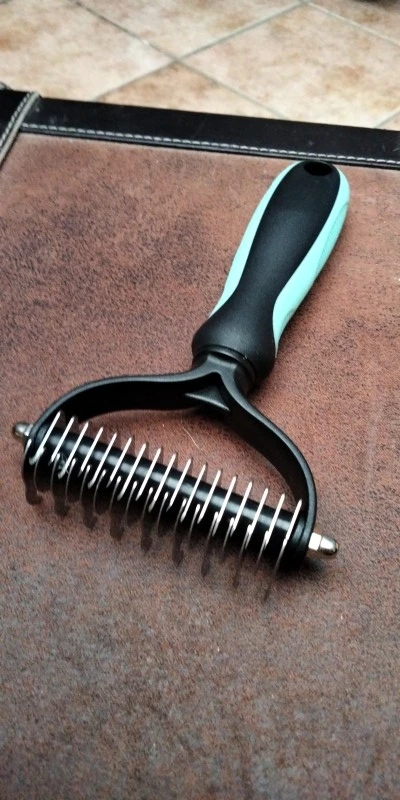
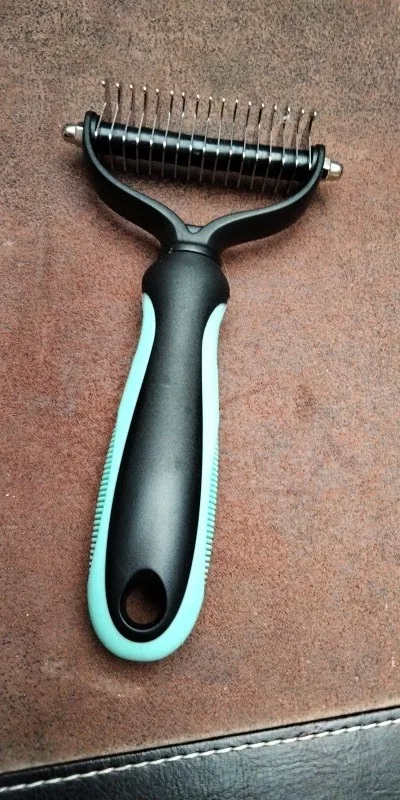
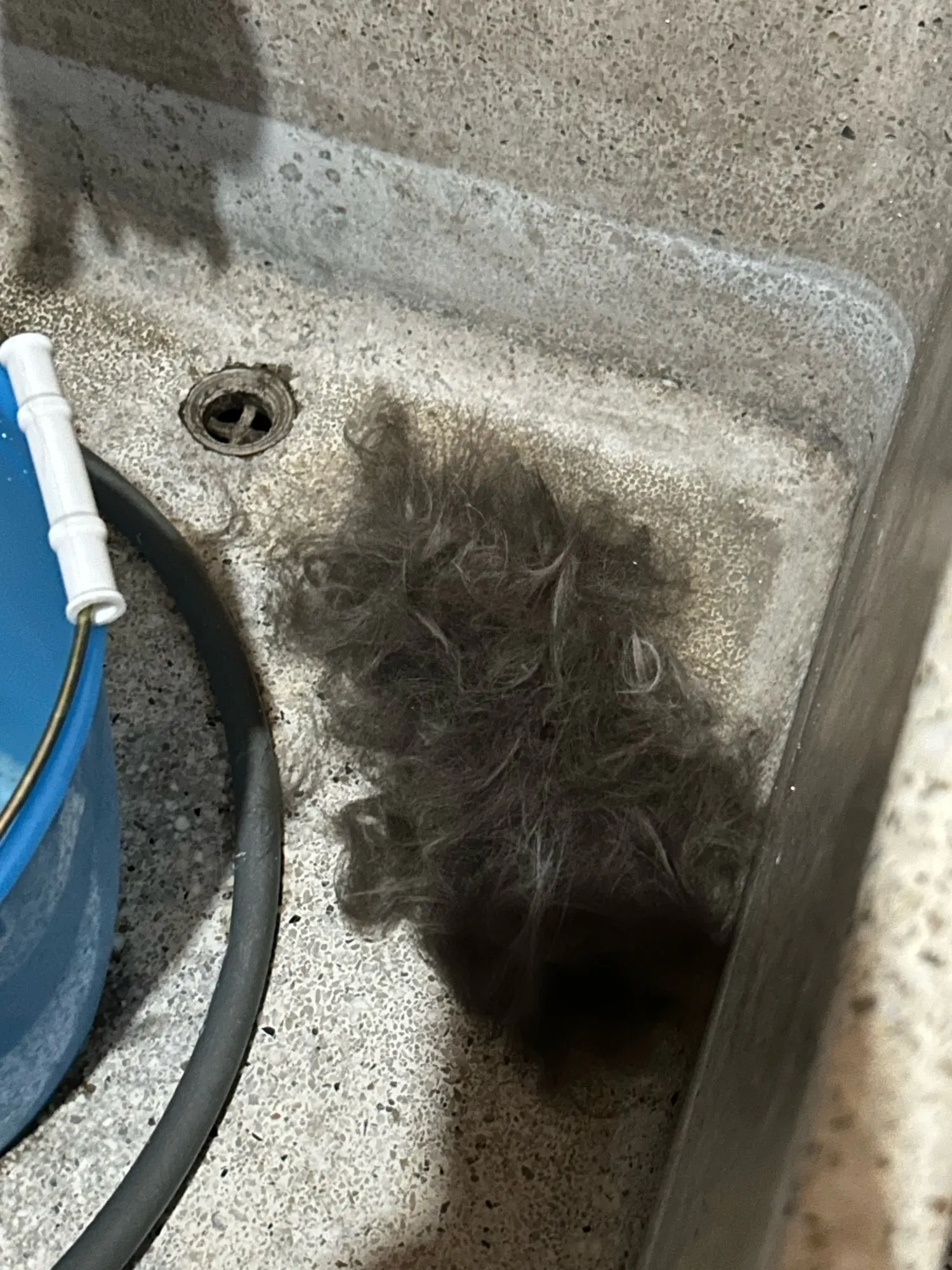
The second picture looks like a guinea pig but it’s just all the hair i removed from my cat from a 15 minute session of brushing her until she bit me